


Tag Archives: feline
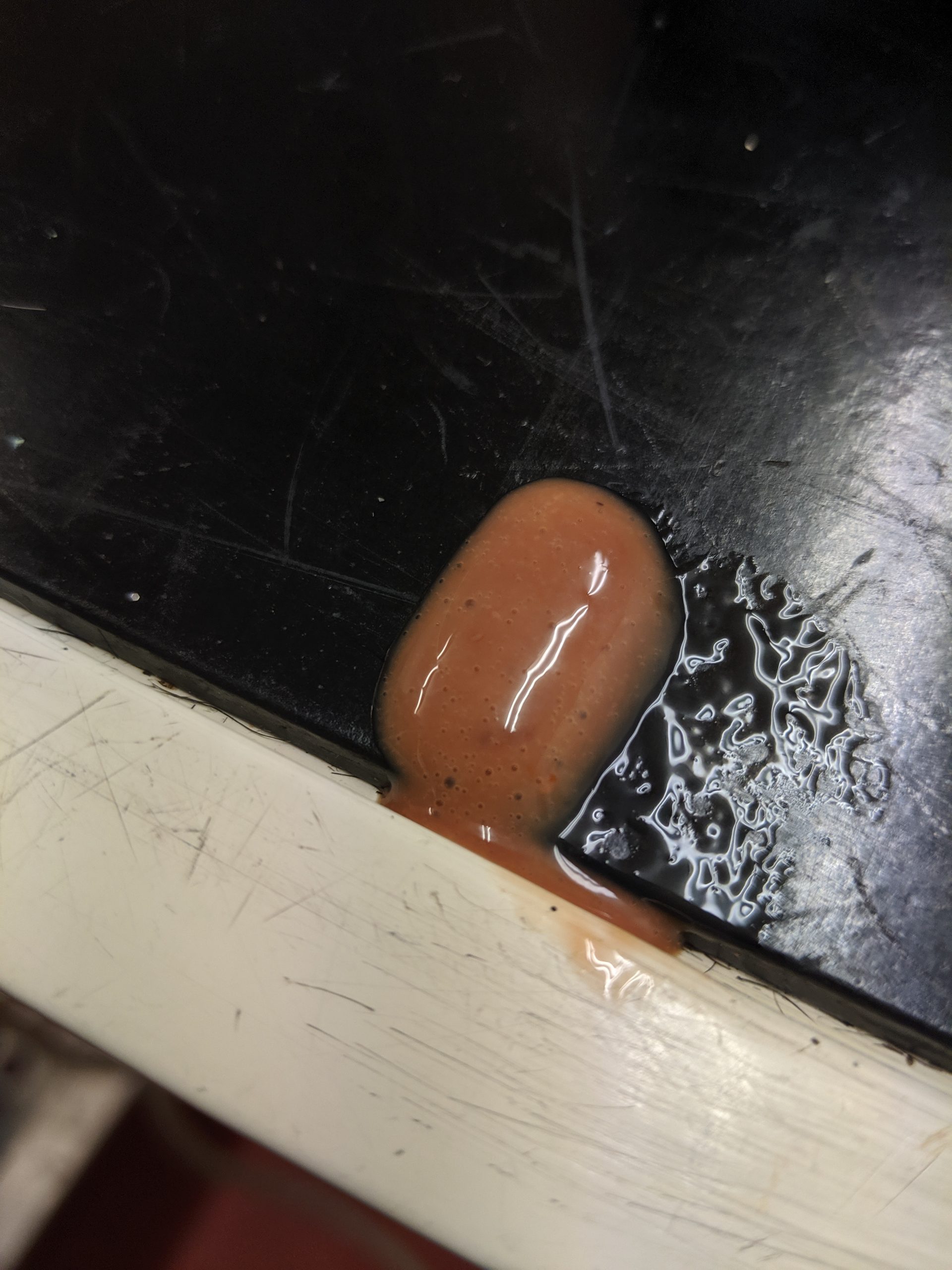
An acute enterocolitis in cats with striking sonographic features: is this a novel disease entity?
In recent years I’ve seen a series of cats with a striking syndrome of acute, severe diarrhoea of unknown cause. The more I see of these; the more I’m suspicious it’s a disease entity which isn’t fully described in the published literature. The three recent cases described below are typical representatives of the phenomenon. All … Continue reading
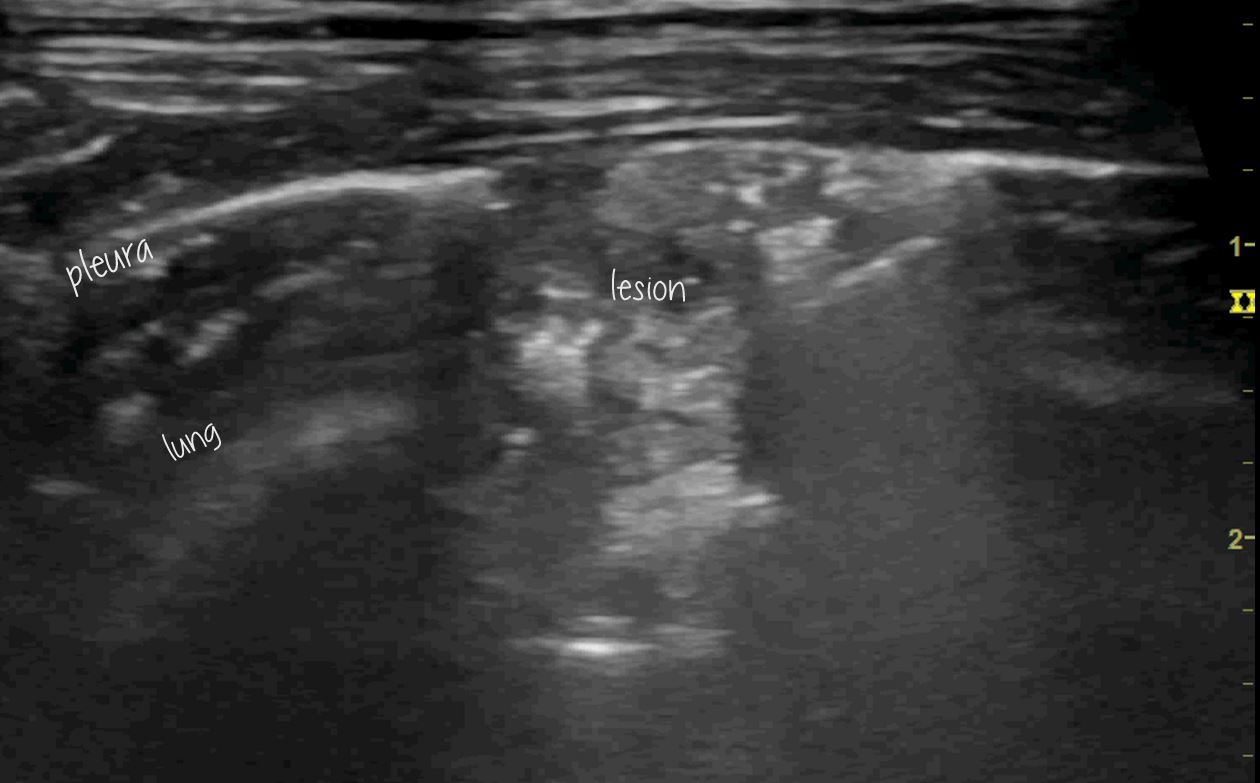
Lung ultrasound in the diagnosis of presumed pulmonary mycobacteriosis in a cat
Surprisingly, considering the wealth of information on conventional bacterial pneumonia, there is little published on the features of pulmonary TB in people. Int J Environ Res Public Health. 2018 Oct; 15(10): 2235. Potential Diagnostic Properties of Chest Ultrasound in Thoracic Tuberculosis—A Systematic Review Francesco Di Gennaro,1,2,† Luigi Pisani,3,4,† Nicola Veronese,5 Damiano Pizzol,6,* Valeria Lippolis,4 Annalisa … Continue reading
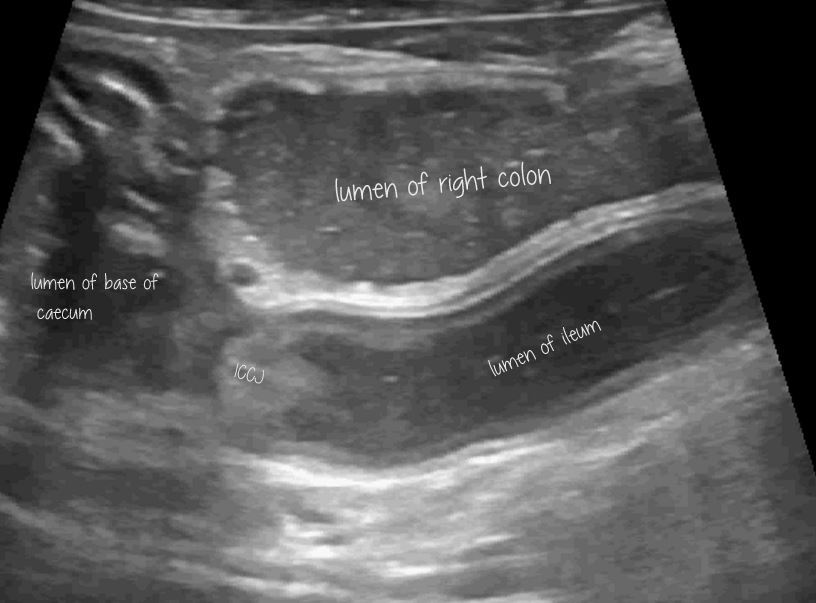
Ultrasound in the diagnosis of acute enterocolitis in dogs and cats
Almost the most frequent presenting problem we see in our sonography practice is canine acute abdomen. And perhaps, more specifically, acute vomiting which fails to resolve within a couple of days supportive care. The bottom line for these is ‘does this dog need surgery or will it resolve with supportive care’. If you can see … Continue reading
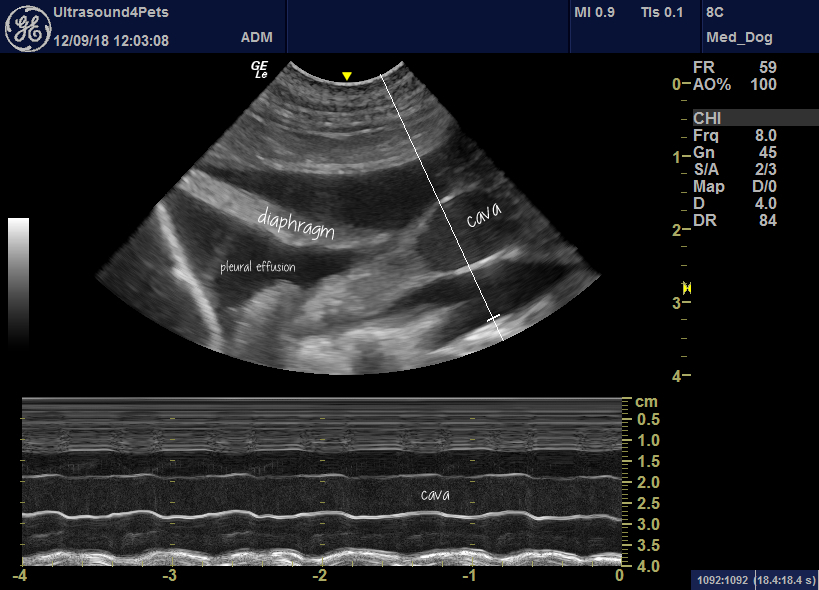
Iatrogenic overhydration: diagnostic nightmaresville
The inconvenient bottom line is that there is nothing intrinsic about the appearance of effusions or tissue oedema caused by fluid overload to distinguish them from those caused by congestive heart failure or any other pathological process. We have to infer the probable cause (or causes) from history, physical examination, clin path and imaging. So, cardiogenic … Continue reading
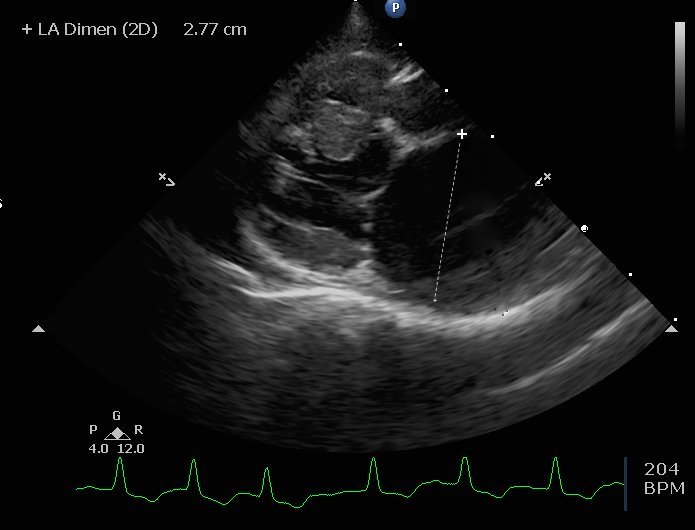
Why is this cat with a huge left atrium not in congestive failure?
This is a cat we saw last week. She presented for routine vaccination and was found to have a tachydysrhythmia. No hyperpnoea, no dyspnoea, outwardly well. This is her echocardiography. First, right long axis four chamber view: Her left atrium measures about 28mm (normal being <16mm). Technically, that falls into the ‘huge’ category. … Continue reading
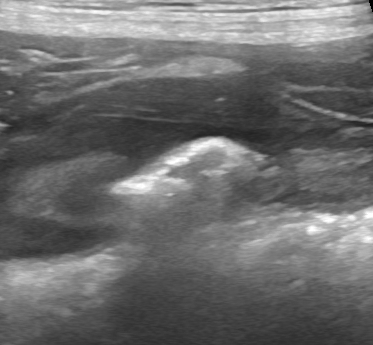
Should we routinely give gastroprotectants to dogs and cats prescribed glucocorticoids?
My observation is that, amongst UK veterinary practices and institutions, there is considerable variation in protocols on when to give prophylactic PPIs to dogs (and to a lesser extent) cats who are prescribed glucocorticoids. The mechanisms through which glucocorticoids might promote ulcer formation have been proposed to include inhibition of gastric mucus synthesis, enhancement of … Continue reading
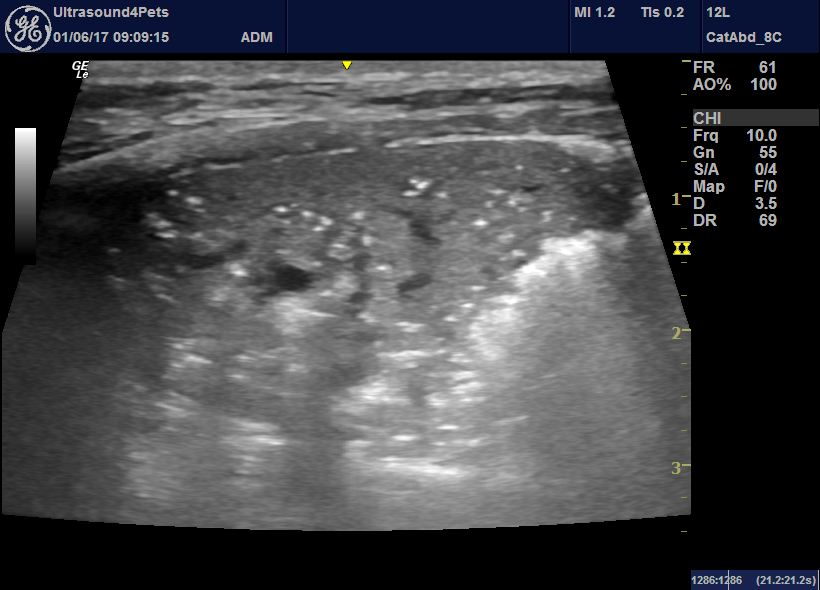
Lung ultrasound: ‘flooding’ in fulminant pulmonary oedema in cats and a comparison with pneumonia
Pulmonary oedema in cats and dogs is typically characterised by increased ‘B lines’ (also known as ultrasound lung rockets or comet-tail artefacts). This is a feature of oedema in the broadest sense and is not specific to aetiology. Differential diagnosis of this phenomenon includes trauma, electrocution, acute respiratory distress syndrome/acute lung injury, overhydration, asthma, near-downing … Continue reading
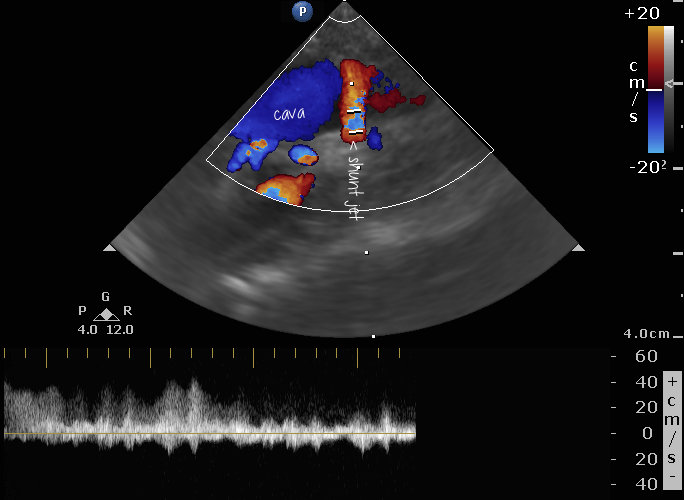
Intrahepatic arterioportal fistula in a kitten
This patient is a five-month-old DSH with a history of ill-thrift and presumed hepatic encephalopathy (episodic hypersalivation, ataxia, blindness, seizures). Interestingly, her fasting bile acids were unremarkable. However, on abdominal ultrasonography there are all kinds of shenanigans: First off, the left side of the liver contains a bizarre, aneurysmal dilation of the vasculature which communicates … Continue reading
Post-surgical neurological complications of portosystemic shunt surgery in cats and dogs: prevention and management
Post-ligation neurological syndrome (PLNS) remains a major frustration. It’s gratifying that we are increasingly able to diagnose and close shunts but equally heart-breaking when everything goes pear-shaped post-op. The spectre of a horrible week of distressing, potentially very expensive and frequently-fatal seizuring in intensive care complicates the whole decision-making process. There’s an obvious need to … Continue reading


